


MAXXI vs. MACRO
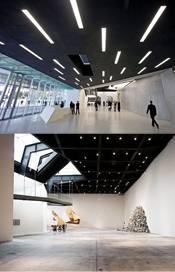
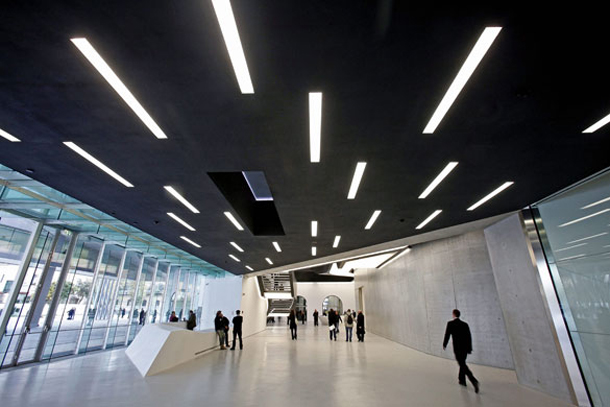
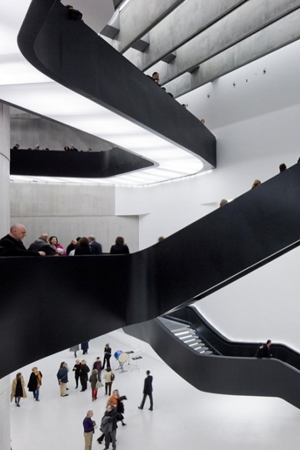
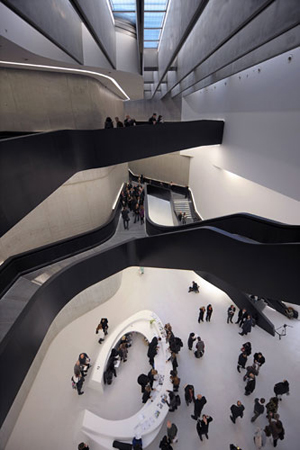
In late May Rome was probably the most visited city. We have finally lived to see the long-awaited opening of the most anticipated museum of modern art, Zaha’s MAXXI museum – Museo nazionale delle arti del XXI secolo. Zaha Hadid, the first woman to win the prestigious Pritzker Award in 2004, says the 27000m2 museum is a link between the old and the new. It was built on the foundations of military barracks, with a record 181 million Euros spent during almost 12 years of construction. From the outside, it looks like a spacious structure which accentuates width and combines glass, steel and concrete. According to the architect, fascination with Roman light was a deal breaker in the design of inner space – a very flexible area allowing maximum freedom in organizing exhibitions. During the opening ceremony the exhibition area was organized so as to highlight the history of architecture and art from the 19th to 21st century. To read the article we featured on Helena Paver Njirić’s work which was part of the Spazio exhibition, click here.

At the same time, but with less media attention, MACRO – Museo d’Arte Contemporanea di Roma opened its new wing. It was remodeled and expanded based on the project of Odile Decq, a French architect and winner of the Vienna Biennale Award. The Paris architect is known for her hi-tech expression of which a paradigmatic example would be the Osaka Port project. The layout of the museum is the result of the restoration and refurbishment of the old Peroni brewery, an important industrial building from the early 20th century. The architect’s thoughts on space were guided by a complex challenge of interpolating the modern art gallery into an old industrial building. Located near Villa Borghese, MACRO measures 10000m2 and was built on a 15-million-Euro budget. The extension is almost completely transparent and thus the opposition between the private and the public is eliminated. Particularly impressive is the multi-story roof terrace which adds an additional 2500m2 of exhibition area. The museum will open its doors fully in the Fall of 2010, and will mostly display modern Italian and international art.
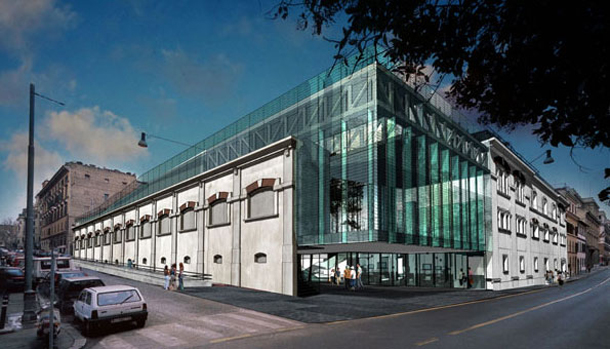
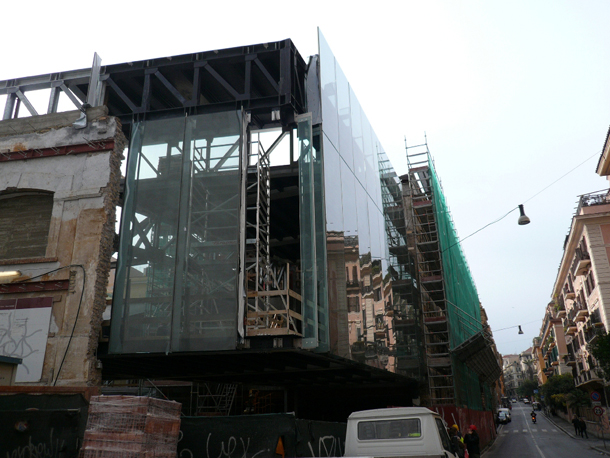

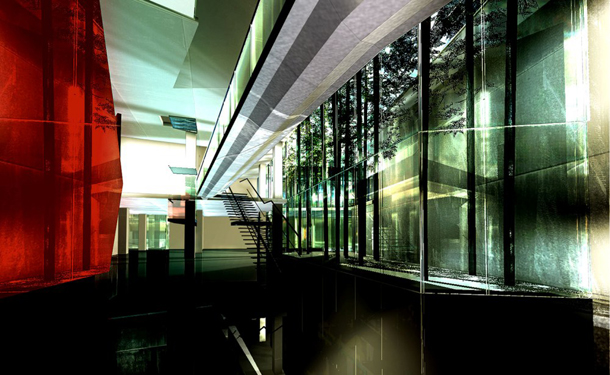
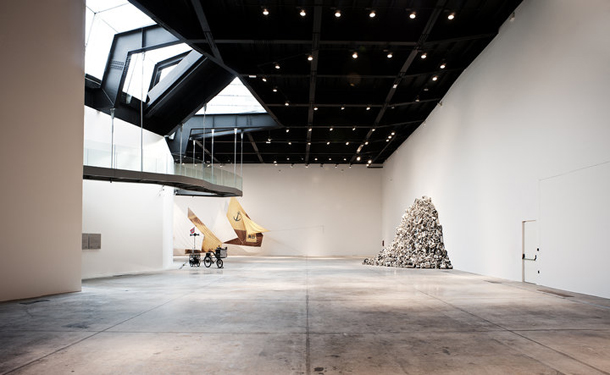
The fact that the projects of presenting the new Rome, as well as the key element in the development – the museum of modern art was assigned to female architects is of particular importance. It seems that the overwhelming male dominance in capital projects has been somewhat softened.
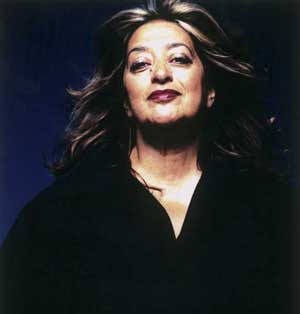

*Zaha Hadid *Odile Decq
The opening of MACRO, scheduled for the same day as that of MAXXI, seems somewhat subversive in that the City and the Ministry of Culture are competing against each other. Actually, the whole situation in the Eternal City is reminiscent of the old rivalry between the baroque architects Borromini and Bernini! Both museums are public property: MACRO is subsidized by the City of Rome, and MAXXI is funded by the Ministry of National Heritage and Culture. Although significantly different in size, the spokesperson for MACRO says that the area is more flexible and that they aren’t afraid that the MAXXI will overshadow their institution. In fact, they see it as an opportunity to present novelty items in the collection. In any case, it’s admirable that the City is ready to open itself to modern architecture by interpolating into its historical core.
Since the Mussolini government, Rome hasn’t been inclined to intervene in the public area, believing that modern buildings aren’t on par with valuable historical buildings. It is well known that the conservative Mayor of Rome, Gianni Alemanno, publicly denounces modern architecture, and that the Minister of Culture, Sandro Bondi, said he doesn’t understand modern art and finds it hard to see it as beautiful. For example, Richard Meier’s project for the museum which hosted Ara Pacis was heavily criticized by the Mayor of Rome. Renzo Piano’s Auditiorium, which opened its doors in 2002, had a much better reception as the first serious concert hall and venue for new film festivals in the capital city. However, it seems that all was forgotten on Thursday, May 27, when both museums opened their doors. In fact, the City expects MAXXI to bring in 400000 people a year.
Finally, Rome has stopped being the usual petrified museum-city by offering its citizens and visitors museums that place the city on the list of most desirable places for modern art and architecture. However, it remains to be seen whether MAXXI and MACRO will have the Bilbao effect and whether they’ll be able to fulfill the conditions of hosting modern art.
For more on MAXXI, click here. For more on MACRO, click here.


